
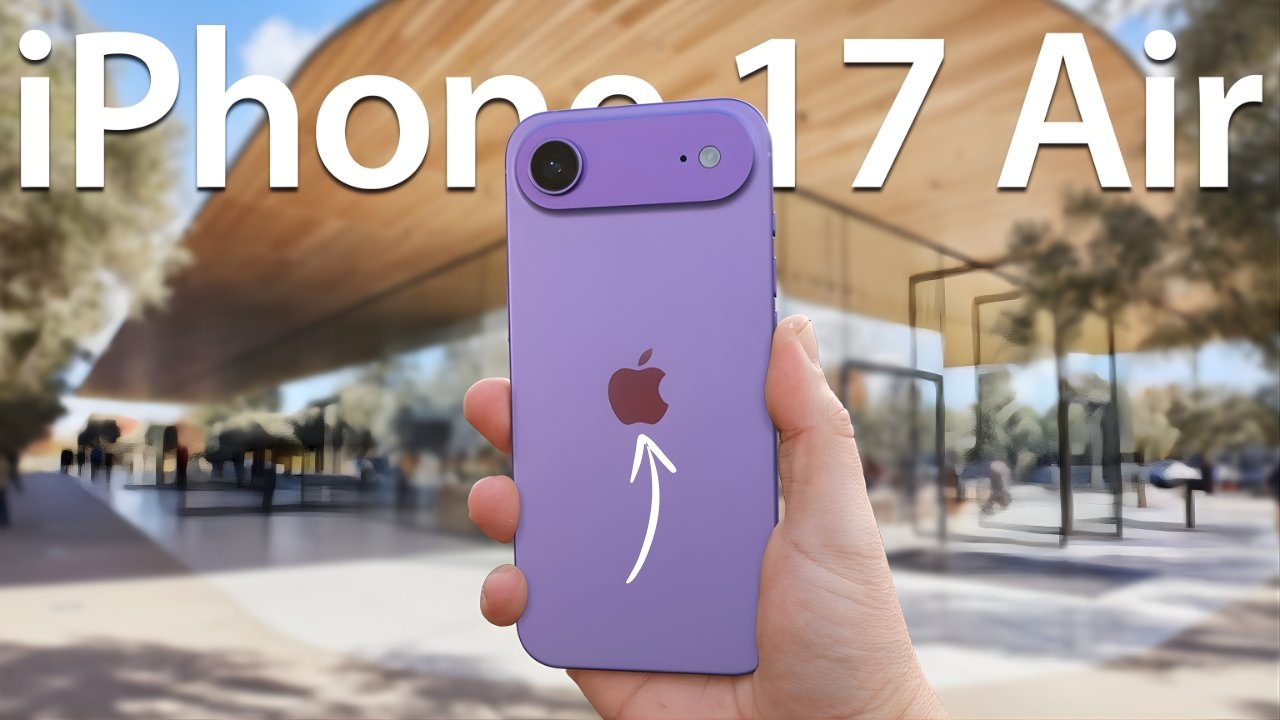
iPhone 17 Air : iPhone 17 Air is imagined as the kind of device that would redefine slim design and everyday intelligence, a phone that feels almost weightless in the hand yet heavy with possibilities thanks to deep AI integration woven into every interaction.
In a world where smartphones blur into sameness, this concept stands out as a vision of how an ultra-thin body, edge-to-edge display, and adaptive software could come together to create a calm, almost invisible companion that quietly works in the background to make life smoother.
Rather than chasing specs alone, iPhone 17 Air would chase experience, turning the most advanced technology into something that simply feels natural, intuitive, and almost effortless to use.
Most slim design vision
The defining promise of an “Air” model would be its impossibly slim silhouette, a body that glides into a pocket or purse like a sheet of glass, with flat, refined edges and a polished matte finish that resists fingerprints while catching the light in a subtle, elegant way.
A near bezel‑less display would dominate the front, with a tiny, almost invisible camera cutout or under‑display system, creating the illusion that the entire surface is one continuous panel of living pixels stretching from corner to corner.
Also Read This : Maruti Wagon R – Full high mileage SUV with affodable cost
Despite the thinness, the frame would feel reassuringly solid, likely imagined from aerospace‑grade materials, balancing feather‑light weight with the kind of durability people expect when a phone becomes something they carry every minute of the day.
Display and immersive experience
On a device this slim, the screen would be the stage, and the imagined iPhone 17 Air would be built around a vibrant high‑refresh OLED or micro‑LED panel tuned for clarity, color accuracy, and comfortable viewing across long sessions.
Subtle curves in the glass or micro‑precision chamfering at the edges would make swipe gestures feel fluid and uninterrupted, as if fingers are simply gliding on a pool of light, whether scrolling through social feeds or editing photos.
An adaptive refresh system would likely ramp up for gaming or animation and scale down for reading, balancing buttery smooth visuals with battery efficiency, so the display feels luxurious without constantly reminding the user of power constraints.
AI features in everyday life
Where this concept really comes alive is in the AI layer, imagined not as a collection of gimmicks but as a quiet intelligence threading through the system, understanding habits and preferences and adjusting in real time.
Photos could be auto‑organized by people, places, and moments, with on‑device models enhancing low‑light shots, removing distractions from the background, and suggesting edits that match a user’s personal style without needing to upload anything to the cloud.
In daily use, a conversational assistant could summarize long message threads, generate quick replies that sound like the user, prioritize important notifications while gently muting noise, and even offer context‑aware actions like drafting emails, planning routes, or adjusting focus modes based on time, location, and calendar events.
Also Read This : iPhone 16e – A low budget luxury phone with powerful battery backup
iPhone 17 Air Performance, battery and future appeal
Even within a slim frame, the imagined iPhone 17 Air would be expected to use a highly efficient next‑generation chip optimized not just for raw performance, but for AI workloads, enabling features like live translation, offline transcription, and smart background tasks without constant heat or lag.
A denser, more advanced battery design combined with aggressive power management and AI‑based learning of usage patterns could help stretch real‑world endurance, so the device can stay with its owner from early morning alarms to late‑night calls.